Mostly, no. “Detox” products for acne — teas, drinks, masks, patches — are built around a marketing idea, not a biological one. Skin does not store toxins that a tea or mask can pull out, and there is no good evidence that these products change how acne forms. Some may help skin feel temporarily smoother, which is not the same thing.
What does “detox” actually mean on a product label?
On most packaging, “detox” is a marketing word, not a scientific claim with an agreed definition. It is used loosely to suggest a product removes something harmful from the body or skin, without saying what that something is or how it would be measured.
The body already has organs — the liver, kidneys, and skin itself as a barrier — that filter and process waste. There is no evidence that healthy skin or a healthy body needs outside help to “detox” through a tea, patch, or mask, and no accepted way to test whether a product has done this.
That does not mean every detox product is useless. A charcoal mask can absorb some surface oil. A gentle tea might make someone feel more relaxed. The issue is the specific claim that these things clear or prevent acne by removing toxins — that part is not supported.
Do detox teas or drinks help with acne?
There is no solid evidence that detox teas or drinks change acne. Many contain diuretics or mild laxatives, which can affect water balance briefly, but this has nothing to do with the oil, bacteria, and inflammation involved in how a spot actually forms in the skin.
Some detox teas lean on ingredients like senna, dandelion, or green tea extract. These can have mild effects on digestion or hydration, and some people enjoy them as a drink. But acne forms inside a pore, and there is no plausible pathway for a tea, several hours later, to reach into that pore and change what is happening there.
Readers curious about hydration specifically — since it comes up constantly in this space — might find it useful to look at what the evidence actually says about drinking water and skin, which covers similar ground from a different angle.
Do detox masks or patches actually do anything?
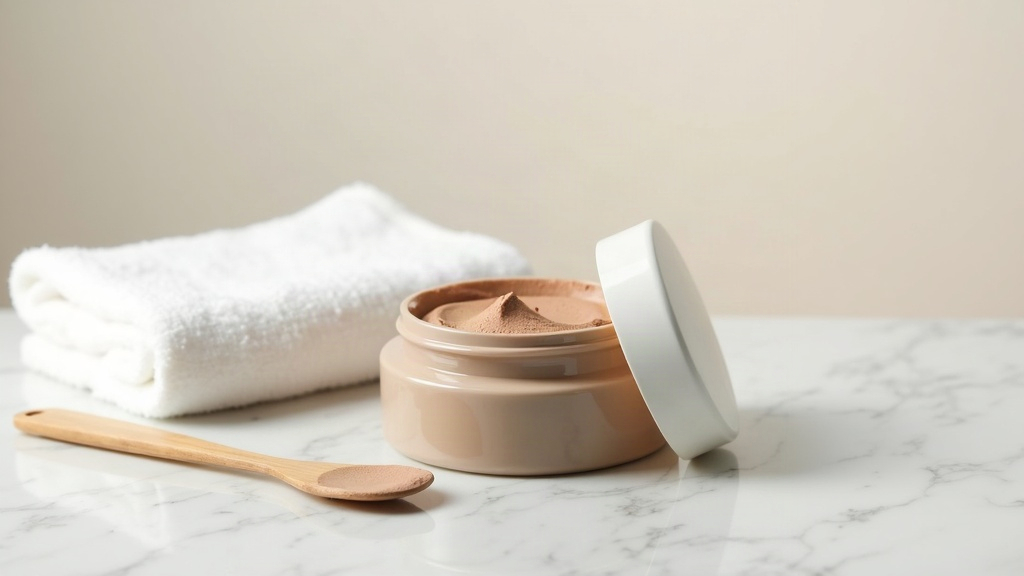
Clay and charcoal masks can absorb some oil and dead skin from the surface, which may make skin look less shiny for a short while. That is a real, if modest and temporary, cosmetic effect — it is different from actually treating the acne underneath.
Charcoal is porous and does bind to some substances on contact, which is the basis of the marketing. But a face is not a controlled lab setting, and there is no strong evidence that this translates into fewer breakouts over time. The oil comes back because skin keeps producing it — that is what sebum is for in the first place, not a sign that something has gone wrong.
Detox patches, often marketed as “drawing out impurities” overnight, work on a similar logic gap. Anything a patch might pull from the very top layer of skin is not the same as the material sitting deeper in a clogged pore, which is where a lot of acne actually starts.
Could a detox product make acne worse?
Some can, mostly through irritation rather than through any toxin-related mechanism. Strong clay masks, frequent charcoal peels, or anything left on skin too long or used too often can dry out skin and disrupt its barrier, which sometimes leads to more redness and sensitivity, not less.
This matters because a compromised barrier does not just look uncomfortable — it can make skin more reactive to everything that follows, including other acne products. Anyone introducing a new mask or peel is generally better off patch-testing it first and giving it time alone before adding anything else, rather than layering several new products at once.
For background on why that barrier matters so much, it is worth reading about what the skin barrier actually does and why it matters before adding anything with a strong “purifying” claim to a routine.
Why do detox claims feel convincing even without evidence?
Detox language borrows the structure of things that are true elsewhere in health — the liver does process toxins, sweating does release some substances — and applies that logic to skin, where the connection is much weaker or absent. It feels intuitive even when it is not accurate.
There is also a satisfying story built into “detox”: something bad goes in, the product pulls it out, skin improves. Real skin, unfortunately, is messier than that. What actually causes acne to form in the skin involves oil production, dead skin cells, pore blockages, and bacteria interacting — a process that does not map onto a single toxin a tea or mask could remove.
This is a similar pattern to a lot of acne folklore. Ideas like needing to scrub harder, or that acne comes from not washing enough, persist for the same reason — they offer a clear cause and a clear fix, even where the underlying science does not support either.
What’s worth focusing on instead of detoxing?
Consistency with a small number of well-tolerated products tends to matter more than any single “detox” step. That means picking one or two things at a time — a gentle cleanser, perhaps one active ingredient — and giving them weeks rather than days before judging whether they are doing anything.
It also helps to have a realistic sense of what is actually happening in the skin. Reading about how a closed comedone forms and why it lingers, or the practical difference between a blackhead and a whitehead, tends to be more useful than any product marketed around removing toxins, simply because it describes something a person can actually work with.
It is also worth remembering that acne is common, not a sign of anything being wrong with a person’s habits, diet, or hygiene. If the topic of diet comes up specifically, the actual evidence on things like chocolate and acne is more nuanced — and more interesting — than most detox marketing lets on.
When is it worth talking to a professional instead of trying another product?
If acne is painful, cystic, leaving marks, or affecting mood or confidence, that is a reasonable moment to see a doctor or dermatologist rather than trying another over-the-counter product. Seeking help at that stage is a normal, sensible step — not an overreaction.
A professional can look at what is actually happening on the skin, discuss options that have supervision built in — including, where appropriate, prescription-strength treatments — and rule out other conditions that can look similar to acne but need different care. The difference between acne and other bumpy skin conditions is not always obvious without that kind of look.
Detox products are unlikely to cause serious harm on their own, beyond the irritation risk covered above, but they are also unlikely to be doing the job the label implies. For a broader, calmer starting point on what actually influences acne, the Acne Basics section is a reasonable place to begin, and the Myths & Misinformation archive covers a lot of similar claims that sound plausible but do not hold up under scrutiny.
Acne Cut publishes general information about skin, not medical advice. We are writers and researchers, not dermatologists, doctors or pharmacists. Acne varies enormously from person to person, and what suits one person’s skin can irritate another’s. If your acne is painful, scarring, getting worse, or affecting how you feel day to day, speak to a doctor or a dermatologist — that is a normal thing to do and it is what they are there for.