They can matter a little, mostly through friction, oil and bacteria transfer, and pressure against skin that’s already inflamed — but neither is a main cause of acne. For most people they’re a small, easy-to-manage factor, not something worth losing sleep over.
Can a pillowcase actually cause breakouts?
A pillowcase is unlikely to be the reason acne started in the first place, but it can add friction, trapped oil and bacteria to skin that’s already prone to breaking out. Changing it more often is a low-effort habit, not a fix on its own.
Acne begins with oil production, dead skin cells, hormones and bacteria interacting inside a pore — not with what a person sleeps on. That said, a pillowcase sits against the face for hours every night. Over a week, it picks up sweat, oil from hair and skin, dead skin cells, and whatever product residue was on the face at bedtime. None of that causes acne by itself, but on skin that’s already reactive or already producing extra oil, added friction and a build-up of debris against the pores can plausibly make things a bit worse, particularly along the areas that press hardest into the fabric.
This is a case where the evidence is genuinely thin. There isn’t strong research proving that pillowcase hygiene changes acne outcomes in a measurable way. What’s reasonable to say is that it’s a small variable among many, and it’s one of the easiest to adjust without any risk or cost.
How often should a pillowcase be changed?
There’s no medically established number, but changing it every few days to once a week is a common-sense habit that some people find helps, especially if hair products, heavy night creams, or a lot of sweating overnight are part of the picture.
A few practical things that make more difference than the exact schedule:
- Cotton and other breathable fabrics tend to feel less irritating against sensitive or inflamed skin than synthetic blends, though this is about comfort more than acne prevention specifically.
- If hair is oily or heavily styled with products, that oil and product residue transfers to the pillowcase and back to the face — tying hair back at night can reduce this.
- Washing pillowcases in the same way as other bedding, without needing a special routine, is generally enough.
None of this replaces an actual skincare approach. A pillowcase habit sits alongside things like how often skin is washed and what a simple routine looks like, not instead of them.
Do phone screens spread acne-causing bacteria?
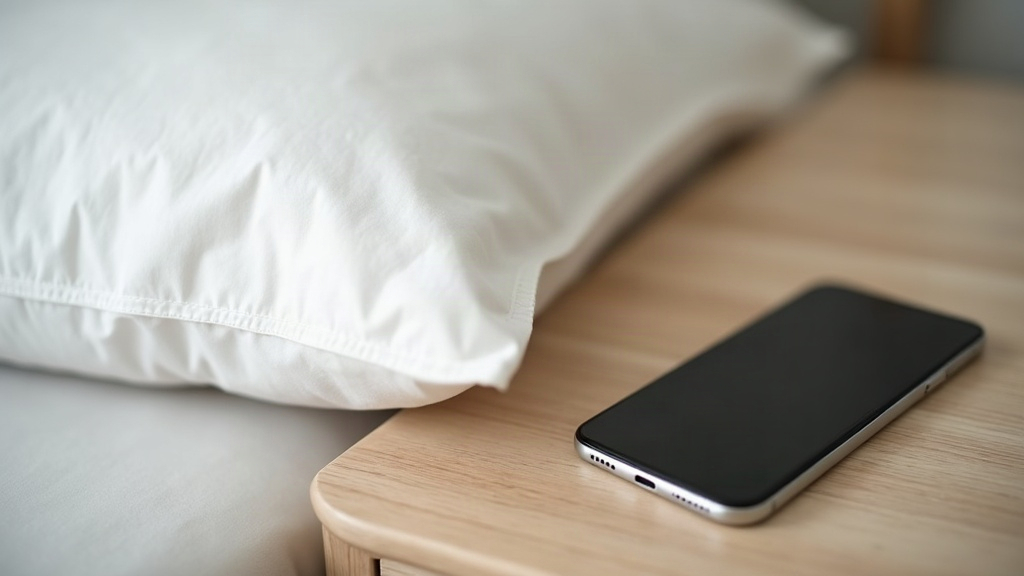
Phone screens do collect bacteria, oil and grime from pockets, bags and hands, and pressing a phone against the cheek or jaw adds friction on top of that. It’s a plausible contributor to breakouts along the jawline or cheek in some people, but it’s rarely the sole cause.
Some studies have looked at how much bacteria collects on phone screens generally, and the honest answer is: quite a lot, because phones go everywhere and get touched constantly. But bacteria on a phone screen isn’t automatically the same as bacteria causing acne — skin already hosts its own bacteria, and acne development depends on much more than surface contact, including oil production, pore blockage and inflammation.
What’s more plausible is the mechanical side. Holding a phone against the same patch of skin for long calls, repeatedly, adds pressure and friction to that spot. Combined with sweat, heat and whatever is on the screen, this can irritate skin that’s already breakout-prone, in the same way a chinstrap, phone case, or tight collar sometimes does.
Is this the same as maskne?
It’s a related idea. Maskne describes breakouts caused by friction, heat, moisture and pressure trapped against the skin — the same mechanism that can make a phone screen or a rough pillowcase mildly irritating in specific spots. Neither is about dirt or hygiene failure.
The pattern worth noticing is location. Acne that consistently shows up in one specific spot — always the same cheek, always along the jaw where a phone rests — is a reasonable moment to think about physical contact and friction as a contributing factor, alongside the usual hormonal and oil-related causes. For a fuller picture of how friction-related breakouts work, the piece on what maskne is and why it happens covers similar ground.
What actually helps, if anything?
Small, low-risk habits can reduce one contributing factor without doing anything drastic. Wiping a phone screen occasionally, not holding it pressed hard against the cheek during long calls, and changing pillowcases somewhat regularly are reasonable, harmless steps — but they work alongside a skincare routine, not instead of one.
Some practical, non-dramatic options:
- Wiping a phone screen with a simple cleaning wipe now and then, particularly if it’s used a lot for calls.
- Using earphones or speaker mode for long calls instead of pressing the phone against the face.
- Swapping to a fresh pillowcase every few days, without needing a strict rule.
- Avoiding scrubbing the face harder to “compensate” — friction from over-washing or hard cleansing tends to irritate skin more than it helps, which is covered in more detail in the piece on what over-exfoliating does to skin.
None of these replace the basics that actually influence acne day to day — things like a consistent, gentle routine, appropriate use of ingredients such as salicylic acid or benzoyl peroxide, and not layering too many actives at once, which is discussed in why introducing one product at a time matters.
When is it worth looking beyond pillowcases and phones?
If breakouts are painful, cystic, widespread, leaving marks, or affecting mood and confidence, that’s a sign to speak with a doctor or dermatologist rather than focus on small environmental habits. Seeking help early is a normal step, not an overreaction.
Habits like these sit at the very edge of what influences acne — they’re worth doing because they’re free and harmless, not because they’re likely to be the main driver of a breakout pattern. If acne is persistent, worsening, or clearly cystic, a conversation with a professional matters more than any amount of pillowcase-changing. The article on when acne is worth seeing a doctor about lays out some useful signs, and what happens at a first dermatology appointment can help make that step feel less unfamiliar.
For anyone trying to work out which everyday habits are genuinely worth the effort and which are more myth than substance, the myths and misinformation section and the skincare routines hub both cover a lot of similar everyday questions — including the ones that turn out to matter far less than they seem to at first.
Acne Cut publishes general information about skin, not medical advice. We are writers and researchers, not dermatologists, doctors or pharmacists. Acne varies enormously from person to person, and what suits one person’s skin can irritate another’s. If your acne is painful, scarring, getting worse, or affecting how you feel day to day, speak to a doctor or a dermatologist — that is a normal thing to do and it is what they are there for.