Pore strips pull loose debris out of the very top layer of a pore — mostly oxidised oil and dead skin sitting in a blackhead — and they can make pores look smaller for a few hours because the skin around them tightens slightly. They don’t shrink pores permanently, clear acne, or stop new blackheads from forming.
What is actually happening when a pore strip pulls something out?
A pore strip is a piece of fabric or plastic coated in an adhesive. Once it’s wet and pressed onto the nose or chin, the adhesive dries and bonds to whatever is sitting on the surface of the skin — including the top of a blackhead. Peeling it off pulls that surface material away with it.
That “satisfying” row of little dark specks on the peeled strip is mostly dead skin cells and oxidised sebum, not dirt and not the entire blackhead. A blackhead itself is a plug of oil and dead cells sitting inside a widened pore opening, and only the very top layer of that plug is within reach of an adhesive strip. The deeper part of it stays exactly where it was.
For more on what’s actually happening inside that plug, the article on what actually causes acne to form in the skin covers the process in more detail, and the piece on the difference between a blackhead and a whitehead explains why the two look and behave so differently.
Do pore strips make pores smaller?
Not in any lasting way. Pores don’t have muscles that contract and expand on command — their visible size is mostly set by genetics, oil production, and how much a pore has been stretched over time. A pore strip can make skin look tighter for a short while because of the adhesive pulling on the surface, but that effect fades within hours.
Some people notice their pores look larger, not smaller, right after using a strip. That’s usually mild irritation and swelling around the pore opening, which settles down on its own.
Do pore strips get rid of blackheads for good?
No. A pore strip removes the visible surface of a blackhead, but the pore itself is still open and still producing oil. Within days, a similar plug can build up again in the same spot, which is why pore strips tend to become something people reach for repeatedly rather than a one-time fix.
Ingredients that work on blackheads from a different angle — things like salicylic acid or retinoids, used consistently over weeks — work by helping the pore shed dead skin cells more normally so plugs are less likely to form in the first place. That’s a slower, less visually dramatic process than peeling off a strip, but it addresses more of what’s actually going on. A doctor or pharmacist is a reasonable person to ask about which of these might suit a particular skin type, especially alongside anything else already being used.
Can pore strips make skin worse?
They can irritate skin, and in a few specific situations they’re worth avoiding altogether. The adhesive is fairly strong, and peeling it off pulls on the top layer of skin, which can leave redness, tiny broken capillaries, or increased sensitivity — particularly on skin that’s already dry, thin, or reactive.
A few things worth knowing before using one:
- Pore strips work on open, surface-level blackheads. Used over a closed bump, a cyst, or an inflamed spot, they can irritate it without pulling anything useful out.
- They should go on skin that’s clean and slightly damp, and come off slowly rather than ripped in one go, to reduce the pull on skin.
- Using them very often on the same patch of skin — daily, or every other day — is more likely to cause irritation than to keep pores clearer, since there isn’t a fresh plug to remove each time.
- Anyone using retinoids, exfoliating acids, or other actives that thin the surface layer of skin should be cautious about adding a strong adhesive strip into the same routine, since the combination can be more irritating than either alone.
If skin is compromised in some way, protecting the skin barrier matters more than any single product claim — the piece on what the skin barrier is and why it matters is a useful starting point for understanding why irritation tends to snowball once that barrier is disrupted.
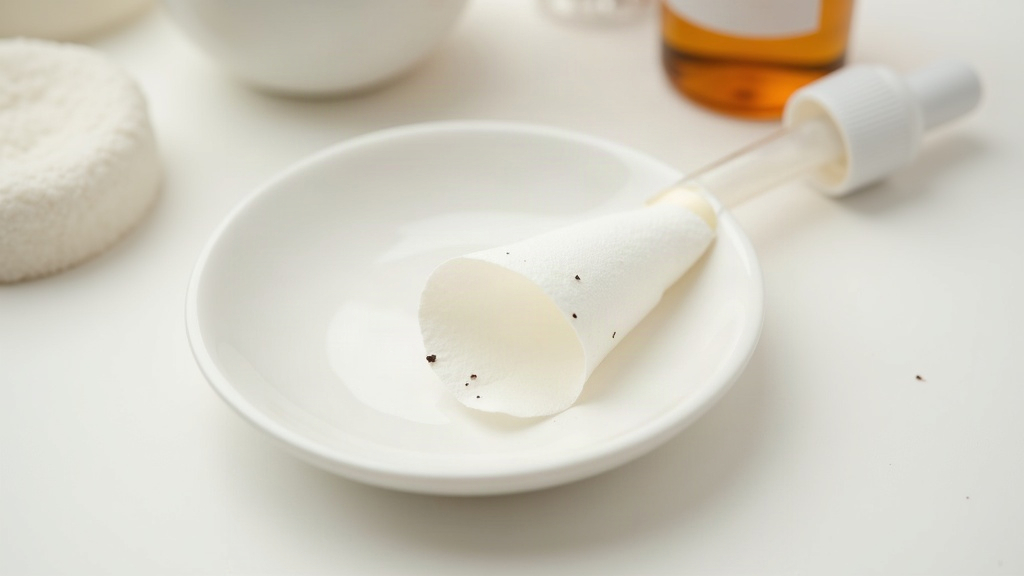
Why do closed comedones (the flesh-coloured bumps) not respond to pore strips?
A closed comedone is a blackhead’s cousin that never opened to the surface — the plug is sealed under a thin layer of skin, so there’s nothing exposed for an adhesive to grip onto. Pore strips have essentially nothing to pull in this case, which is why they can be used repeatedly on the same stubborn bump with no change at all.
The article on what a closed comedone is and why it’s so stubborn goes into why these particular bumps are so resistant to quick fixes, and what tends to help them shift over a longer stretch of time instead.
Is it a myth that pore strips “clean out” pores?
It’s a partial myth. They do remove something real from the very top of a pore, so it’s not pure marketing fiction — but the framing of “deep cleaning” or “detoxing” pores overstates what an adhesive strip sitting on the skin’s surface can physically reach. Pores don’t hold onto toxins that need extracting; they hold onto oil and dead skin, and a strip only ever gets the part closest to the surface.
This kind of gap between marketing language and what a product mechanically does is common in skincare, and it’s worth reading claims with that in mind. The Myths & Misinformation section collects more of these gaps between what’s advertised and what’s actually happening on skin, including some surprising ones.
What’s a reasonable way to think about using pore strips?
As a cosmetic, occasional step rather than a treatment. They can be a mildly satisfying once-in-a-while thing to do on visibly clogged pores on the nose, without any expectation that it changes pore size, prevents future blackheads, or does anything for acne more broadly.
For anyone dealing with actual acne — inflamed spots, cysts, or breakouts that keep coming back — a pore strip isn’t addressing any of the underlying process. Understanding that process is a better use of time; the Acne Basics hub is a good place to start, and the piece on why skin produces oil at all explains the oil-and-blockage mechanics that sit behind most acne, blackheads included.
If breakouts are painful, leaving marks, or affecting mood or confidence, that’s worth raising with a doctor or dermatologist. Reaching out early tends to lead to more comfortable skin sooner, and it’s a completely normal thing to do — not an overreaction.
Acne Cut publishes general information about skin, not medical advice. We are writers and researchers, not dermatologists, doctors or pharmacists. Acne varies enormously from person to person, and what suits one person’s skin can irritate another’s. If your acne is painful, scarring, getting worse, or affecting how you feel day to day, speak to a doctor or a dermatologist — that is a normal thing to do and it is what they are there for.