Exercise itself does not cause or clear acne. What matters is what happens around the workout — sweat sitting on skin, tight fabric rubbing against the face or back, shared equipment, and how skin is treated afterwards. Movement is generally fine for skin; the details around it are what can tip things one way or the other.
Does sweating make acne worse?
Sweat on its own is not the problem. It’s mostly water and salt. Acne tends to get more likely when sweat sits on skin for a long time, mixes with oil and product residue, and stays trapped against the skin by tight clothing, helmets, or headbands.
This is sometimes called “acne mechanica” — breakouts that show up along areas of friction and pressure rather than the usual oil-heavy zones. It shows up in places like under a sports bra strap, along a helmet line, or across the forehead under a tight headband. It is a texture-and-friction pattern, not a hygiene failure.
Rinsing off reasonably soon after a sweaty session, rather than sitting in damp gear for hours, is a sensible habit — not because sweat is dirty, but because prolonged warmth, moisture and friction together create conditions where breakouts are more likely.
Should you wash your face right after a workout?
Washing with a gentle cleanser once sweat has had a chance to be wiped away is a reasonable habit, but there’s no evidence that washing within some exact number of minutes changes outcomes. What seems to matter more is not leaving sweat-soaked clothing or a sweaty face untouched for a very long stretch afterwards.
Scrubbing hard or washing many times a day is not more protective — it can strip the skin barrier and make things more irritated rather than less. A brief, gentle cleanse is enough. For more on how often washing actually helps, this piece on washing frequency for acne-prone skin goes into more detail.
Can tight workout clothes or equipment cause breakouts?
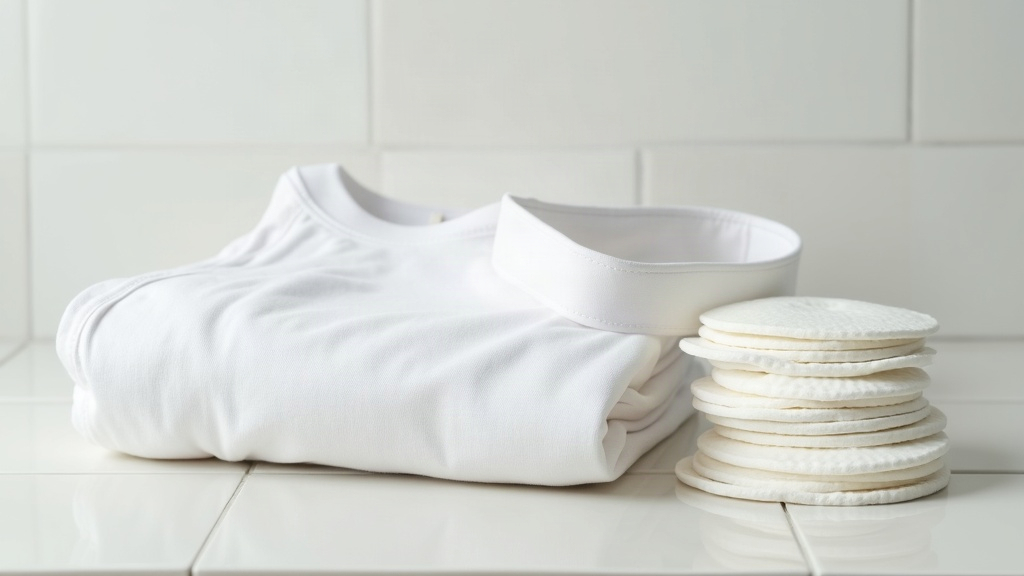
Yes, this is one of the more consistent patterns. Tight leggings, sports bras, helmets, chin straps and headbands can trap heat and moisture against skin and create friction, and breakouts often follow the exact shape of the tight or rubbing area — a band across the forehead, a line along the jaw from a chin strap, spots along a bra line.
- Looser, breathable fabric where practical reduces prolonged trapping of heat and moisture.
- Wiping down shared equipment (mats, benches, helmet padding) before use limits picking up other people’s oil, sweat and product residue.
- Changing out of damp gear reasonably soon after finishing, rather than staying in it for hours, is a small habit that tends to help more than any product does.
Does exercise change hormones in a way that affects acne?
Exercise does have real effects on the body’s hormones and stress response, but the picture is genuinely mixed and not something this article can responsibly simplify into a clean cause-and-effect story. Regular moderate movement is broadly linked to lower stress levels, and stress is one factor that can influence how skin behaves for some people — this piece on stress and skin covers that relationship more carefully.
There is no solid evidence that exercise itself worsens hormonal acne, and no evidence that it treats it either. Hormonal patterns in acne are complex enough that a doctor is the right person to discuss them with, not a general lifestyle article — this overview of hormonal acne treatment explains what that conversation might actually involve.
Is makeup or sunscreen worn during exercise part of the problem?
Combined with sweat and friction, heavier makeup or thick sunscreen can contribute to clogged pores more than either factor alone. It’s not that wearing sunscreen to exercise outdoors is a mistake — sun protection still matters — but choosing a lighter, non-comedogenic formula and washing it off afterwards is a reasonable approach.
Sunscreen itself is still worth wearing during outdoor exercise; skipping it isn’t a solution. This plain answer on sunscreen and acne-prone skin covers how to pick a formula that sits more comfortably under sweat, and this explainer on what “non-comedogenic” actually means is worth reading before assuming a label guarantees anything.
Does exercise help acne in any way?
There isn’t strong evidence that exercise directly treats or clears acne, but it is not something to avoid for fear of making skin worse either. Movement supports general health, sleep quality and stress levels, all of which sit somewhere in the wider picture of skin — just not as a direct fix.
Sleep in particular has its own relationship with skin that is worth understanding separately from exercise; this piece on sleep and skin lays out what is and isn’t established there. The honest summary is that exercise is neither a treatment nor a trigger for acne on its own — it’s a normal part of life that interacts with skin mostly through sweat, friction and habits around it, not through some direct biological switch.
What’s a sensible routine around workouts?
None of this needs to be complicated or anxiety-inducing. A few small, low-effort habits cover most of what actually matters:
- Tie back hair and avoid resting phones or towels with heavy residue against the face during a workout.
- Choose breathable fabric over very tight synthetic material where there’s a choice.
- Rinse or shower reasonably soon after sweating heavily, using a gentle cleanser rather than scrubbing.
- Apply moisturiser afterwards if skin feels tight or dry — cleansing doesn’t need to strip skin bare. This piece on whether acne-prone skin still needs moisturiser explains why that step usually still matters.
- If following an active skincare routine with ingredients like retinoids or benzoyl peroxide, be aware that sweat and sun exposure can add extra irritation on top of what those ingredients already cause — this explainer on benzoyl peroxide and this comparison of retinol and prescription retinoids cover what to expect from those actives generally.
When does exercise-related breakout patterns need more than habit changes?
Breakouts that follow an obvious friction pattern — under straps, along helmet lines — often ease somewhat once fabric, timing or equipment habits shift, though there’s no promise or set timeline for that. If breakouts are widespread, painful, cystic, leaving marks, or affecting how someone feels day to day, that’s a reasonable point to bring it to a doctor or dermatologist rather than keep adjusting gym habits alone.
Seeking that kind of help early is a normal step, not an overreaction. This guide on when acne is worth seeing a doctor about and this overview of what a doctor might consider for persistent acne are useful starting points before an appointment. For anyone building a broader picture of what’s normal and what isn’t, the Acne Basics section and the Myths & Misinformation archive cover a lot of the everyday questions that come up around this exact topic.
Acne Cut publishes general information about skin, not medical advice. We are writers and researchers, not dermatologists, doctors or pharmacists. Acne varies enormously from person to person, and what suits one person’s skin can irritate another’s. If your acne is painful, scarring, getting worse, or affecting how you feel day to day, speak to a doctor or a dermatologist — that is a normal thing to do and it is what they are there for.