Yes — most acne-prone skin still benefits from a moisturiser, and skipping it can make things worse, not better. Oily or breakout-prone skin can still be dehydrated or barrier-stressed, especially once treatments like benzoyl peroxide or retinoids come into the picture. The right moisturiser supports skin rather than feeding acne.
Why does oily skin need moisturiser at all?
Oily skin and hydrated skin are not the same thing. Oil (sebum) sits on the surface, while hydration refers to water content within the skin itself. It is entirely possible to have a shiny T-zone and a skin barrier that is dry, tight, or irritated underneath.
Many acne treatments — benzoyl peroxide, adapalene, salicylic acid, prescription-strength retinoids — work partly by drying out and turning over surface skin cells. That is often part of how they help, but it also means the skin barrier can end up stripped, flaky, or sensitised. A moisturiser is one of the more straightforward ways to support that barrier while treatment does its work. For more on what the barrier actually does and why it matters, the piece on what the skin barrier is and why it matters goes into more detail.
Doesn’t moisturiser just clog pores and cause more breakouts?
Some moisturisers can contribute to clogged pores, but this depends far more on the specific formula and ingredients than on the fact of moisturising itself. Formulas labelled “non-comedogenic” are designed to reduce that risk, though the label itself is not independently regulated or guaranteed.
Heavy, occlusive, very rich creams are more likely to feel uncomfortable or sit on top of acne-prone skin, particularly in warm or humid weather. Lighter lotions, gels, and gel-creams tend to be more commonly used on oily or breakout-prone skin, but “lighter” is not a strict rule — some people find a richer texture works fine for them and a lighter one feels too thin to do anything. This is part of why patch-testing and introducing new products slowly matters; the article on how to patch-test a new product and the one on why introducing one product at a time matters both cover practical ways to test something without risking a full-face reaction.
What happens if acne-prone skin skips moisturiser altogether?
Skin that is left consistently dry or under-supported can sometimes overcompensate by producing more oil, and can also become more reactive to active ingredients like acids and retinoids. Dry, tight, flaking skin is also more prone to visible irritation, which can look similar to a flare-up and make it harder to tell what is actually going on.
None of this means moisturiser is a fix for acne on its own — it is a supporting step, not a treatment. It sits alongside things like gentle cleansing and appropriate use of active ingredients, rather than replacing them. For a sense of how these pieces fit together, what a simple acne routine actually looks like is a useful starting point.
Is moisturiser more important when using acne treatments?
Yes — moisturiser tends to matter more, not less, once active ingredients like benzoyl peroxide, adapalene, or salicylic acid are part of a routine, because these ingredients commonly cause some dryness, peeling, or sensitivity, especially in the first few weeks.
This does not mean the treatment is failing or that something has gone wrong. A degree of dryness or peeling with these ingredients is common and often expected, which is part of why the idea that skin sometimes looks worse before it improves is worth understanding before starting something new. Moisturiser is one of the simplest ways to make that adjustment period more comfortable, and can make it easier to stick with a treatment for long enough to actually judge whether it is helping.
How do you choose a moisturiser for acne-prone skin?
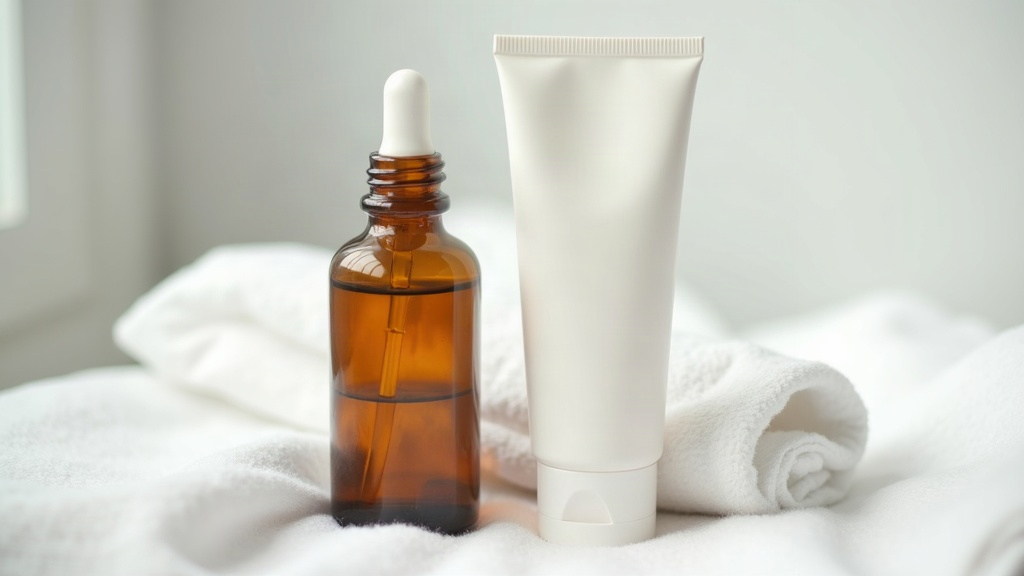
There is no single “correct” moisturiser for acne-prone skin — texture, ingredients, and tolerance all vary from person to person. A few general things are worth checking before buying: whether it is labelled non-comedogenic or oil-free, whether the ingredient list is short and recognisable, and whether the texture matches the climate and skin type in question.
- Gel or gel-cream textures are commonly used on oilier skin, particularly in warmer or humid conditions.
- Lotions sit in between and suit a lot of combination skin.
- Richer creams are sometimes needed on drier patches, or during colder weather, or alongside stronger active ingredients.
- Fragrance-free options reduce one common source of irritation, though fragrance-free is not the same as ingredient-free.
None of this needs to be complicated or expensive. The point is not finding a “perfect” product — it is finding something that sits comfortably on skin without adding new problems.
Can moisturiser undo the effects of a good cleanser?
No — moisturiser and cleanser do different jobs and generally work together rather than against each other. Cleansing removes surface oil, sweat, and debris; moisturiser then supports the skin barrier afterward. Using one does not cancel out the other.
Over-washing, on the other hand, can strip the skin and push it toward the same dryness and irritation that moisturiser is trying to prevent. The piece on how often acne-prone skin should be washed covers this in more detail, and it is closely related — washing too often and skipping moisturiser tend to compound each other.
Does “oily skin” mean the same thing as “acne-prone skin”?
Not exactly. Oily skin refers to how much sebum the skin produces, while acne-prone skin describes a tendency to develop breakouts — the two often overlap but are not identical, and someone can have one without the other.
Understanding this distinction can help make sense of why two people with similarly oily skin might have very different experiences with acne, and why moisturiser advice that works for one may not suit the other. The article on whether oily skin is the same as acne-prone skin unpacks this further, including why sebum itself is not the enemy — a point also covered in why skin produces oil in the first place.
What if skin still feels irritated even with moisturiser?
Ongoing redness, stinging, tightness, or new bumps after starting a moisturiser can mean the specific product does not suit the skin, or that it was introduced alongside too many other new products at once to tell what is causing what.
Slowing down and reintroducing products one at a time, patch-testing new ones, and giving each change a fair length of time before judging it are all reasonable, low-risk steps. The article on how long to wait before judging a new skincare product gives a practical sense of timelines worth expecting, since most products need a few weeks — not a few days — before a fair verdict can be made.
If irritation is severe, persistent, or the skin is becoming increasingly painful, cystic, or is visibly affecting someone’s mood or confidence, that is a reasonable point to speak with a doctor or dermatologist. Seeking help at that stage is a normal, sensible step, not an overreaction — professionals can look at the specific skin in front of them in a way that no general article can.
Where moisturiser fits into the bigger picture
Moisturiser is a small, unglamorous part of an acne routine, but it is not a decorative one. It supports the skin barrier, helps make active ingredients more tolerable, and can reduce the kind of irritation that gets mistaken for a flare-up.
It works best alongside — not instead of — the other basics: a gentle, appropriately timed cleansing routine, careful and gradual introduction of actives, and realistic expectations about how long changes take to show. For a wider grounding in how acne actually forms and what tends to help, the Acne Basics hub is a good place to keep exploring, and the Myths & Misinformation hub is useful for sorting out which common claims about skincare hold up and which do not. For more on building out a full routine step by step, the Skincare Routines hub covers the sequencing and reasoning behind each step in more depth.
Acne Cut publishes general information about skin, not medical advice. We are writers and researchers, not dermatologists, doctors or pharmacists. Acne varies enormously from person to person, and what suits one person’s skin can irritate another’s. If your acne is painful, scarring, getting worse, or affecting how you feel day to day, speak to a doctor or a dermatologist — that is a normal thing to do and it is what they are there for.