Microneedling is a procedure that uses very fine, short needles to create controlled micro-injuries in the skin’s surface. It’s mainly used to help improve the texture of acne scars, and sometimes for general skin texture or fine lines, by prompting the skin to produce new collagen as it heals.
What actually happens during microneedling?
A device covered in tiny needles — either a handheld roller or a pen-style tool — is passed over the skin, making hundreds of shallow punctures. These are deliberate, tiny injuries, deep enough to reach into the dermis (the layer under the top skin surface) but not deep enough to cause a visible wound.
The idea is that this controlled damage triggers the skin’s normal wound-healing response. As part of healing, skin produces collagen and elastin, the proteins that give skin its structure. Over repeated sessions, this remodelling is thought to gradually soften the appearance of some types of scarring and improve overall skin texture.
Professional treatments are usually done with a numbing cream applied first, since the needles going in isn’t comfortable. Devices used in clinics can typically go deeper than the ones sold for home use, which matters for how much effect a session can realistically have.
What is microneedling actually used for?
It’s most commonly discussed in relation to textured acne scarring — the shallow depressions or pitted marks that can be left behind after inflamed spots heal. It’s sometimes also used more broadly for overall skin texture, enlarged-looking pores, or fine lines, though the evidence for those uses varies.
It is a texture treatment, not a treatment for active breakouts. It doesn’t target the bacteria, oil or inflammation involved in forming new spots, so it isn’t generally positioned as an acne treatment in the way a topical or prescription option would be. Anyone wanting to understand how doctors approach active, persistent acne itself might find it useful to read about what treatments a doctor considers for persistent acne.
For the scarring side specifically, it tends to come up alongside other in-clinic options. A separate piece on what actually helps with textured acne scarring goes through how these approaches compare, and understanding the different types of acne scars first is worth doing, since not every mark responds to the same treatment.
Does microneedling work for acne scars?
The evidence suggests it can help with some rolling or shallow depressed scars for some people, but results are gradual, vary a lot between individuals, and it isn’t a fix for every type of scarring. It’s often used alongside other treatments rather than on its own.
Scars that are deep, narrow (“ice pick”) or firmly bound down tend to respond less to microneedling alone, and a dermatologist might suggest combining it with something else, or using a different approach entirely. This is genuinely a case where the specific type of mark matters more than the general category of “acne scarring,” which is part of why a proper assessment in person is more useful than guessing from a mirror.
It’s also worth being clear-eyed that no professional or product can promise a specific outcome or timeline here. Multiple sessions, spaced weeks apart, are typically involved, and change — where it happens — tends to show up slowly rather than immediately.
Is microneedling safe to do at home?
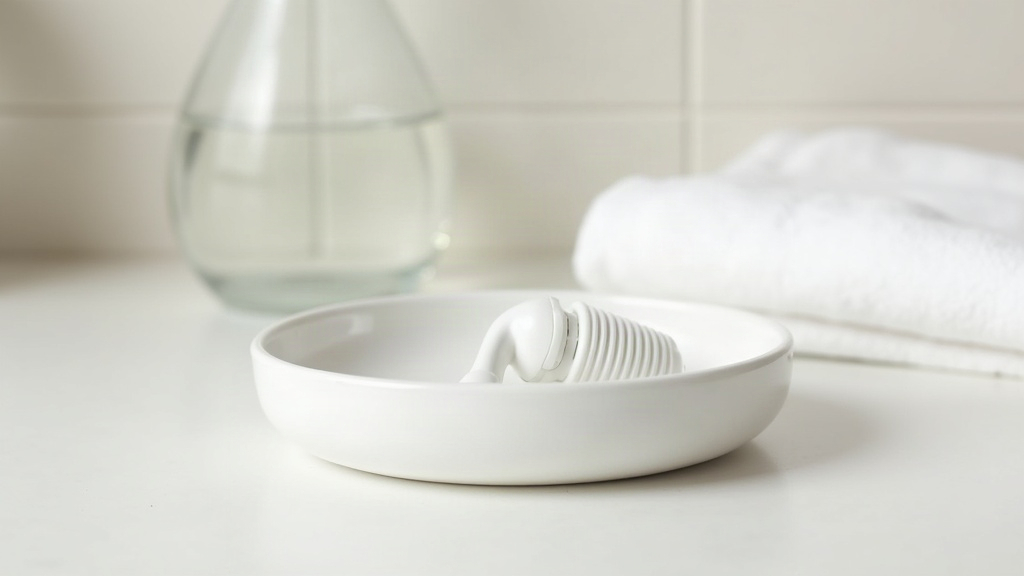
Home rollers use shorter needles than clinic devices and are generally considered lower-risk for that reason, but they still carry real risks: infection if the tool or skin isn’t clean, irritation, and the possibility of making inflamed or active acne worse by spreading bacteria across the face.
Using a needled device over active, inflamed spots is generally discouraged, because it can irritate lesions further or spread bacteria to unaffected skin. This is one of the clearer cases where checking with a professional before starting matters, particularly for anyone with active breakouts, sensitive skin, or a history of keloid or raised scarring, where any skin injury needs more caution.
Cleanliness of the device itself is a genuine factor — a needled tool that isn’t properly disinfected between uses is a plausible way to introduce infection, not just a hygiene nitpick.
Does microneedling help acne itself, not just scars?
Not really — microneedling doesn’t address the oil production, clogged pores or bacteria involved in new breakouts forming. Its role is in improving the appearance of skin texture after marks have already formed, not in preventing or clearing active spots.
People sometimes conflate treatments for active acne with treatments for what’s left behind afterwards, but they’re different problems with different solutions. It’s worth understanding the difference between a scar and a mark before assuming either needs the same fix — a short explainer on the difference between a scar and a dark mark covers this clearly, as does a piece on why dark marks last so long after a spot heals, since flat discolouration and textured scarring are treated quite differently.
What about microneedling combined with other treatments?
Microneedling is sometimes offered alongside other in-clinic procedures, such as chemical peels or radiofrequency, on the idea that combining approaches may improve results more than either alone — though the specific combination and suitability really depends on individual skin.
It’s reasonable to ask a provider directly why a particular combination is being suggested, what the evidence is for it, and what a realistic number of sessions looks like before any change would be expected. For context on a related in-clinic option, a piece on what a chemical peel actually does is worth reading before any consultation, simply to arrive with better questions.
What should be considered before trying it?
Before booking or buying a device, it’s worth thinking through skin type, current breakout activity, scarring type, and whether a professional consultation has happened first. These factors affect both safety and whether the treatment is even a sensible fit.
- Whether acne is currently active — needling over inflamed spots is generally not advised
- What type of scarring is actually present, since not all textures respond the same way
- Skin tone and any history of raised or keloid scarring, which changes the risk profile
- Whether the provider is trained and the equipment is properly sterilised, for in-clinic treatment
- Realistic expectations around number of sessions and pace of any visible change
A first consultation with a dermatologist is a reasonable place to raise all of this at once. A guide on what questions are worth asking at a dermatology appointment has a useful list, and what happens at a first dermatology appointment is a good primer if the whole process feels unfamiliar.
Where does this fit with everyday skincare?
Microneedling is a periodic, in-clinic or considered at-home procedure — it isn’t a daily routine step and doesn’t replace the basics of a gentle, consistent skincare approach. Sun protection matters especially in the weeks after any needling treatment, since freshly treated skin is more reactive to UV exposure and can mark more easily.
Anyone building a broader routine around active or scar-prone skin might find it useful to look at whether acne-prone skin needs sunscreen and what a simple acne routine actually looks like, since the day-to-day basics still do most of the heavy lifting between any in-clinic sessions.
When is it worth seeing a professional instead of experimenting alone?
If scarring feels distressing, if breakouts are severe, cystic or painful, or if any past attempt at treating scars at home has made skin worse, that’s a reasonable point to see a dermatologist rather than continue alone. Seeking help early is normal, not an overreaction.
This applies as much to how acne is affecting someone emotionally as it does to the physical skin itself — persistent acne or scarring that’s affecting confidence or mood is a legitimate reason to book an appointment, not something to just push through quietly. A broader overview of when acne is worth seeing a doctor about covers this in more detail, and the wider Treatments & Dermatology section has more on the range of options a doctor might discuss, from topical prescriptions to in-clinic procedures like this one.
Acne Cut publishes general information about skin, not medical advice. We are writers and researchers, not dermatologists, doctors or pharmacists. Acne varies enormously from person to person, and what suits one person’s skin can irritate another’s. If your acne is painful, scarring, getting worse, or affecting how you feel day to day, speak to a doctor or a dermatologist — that is a normal thing to do and it is what they are there for.