Written by careful researchers who read the studies. We are not dermatologists — and we say so on every page.

Over-the-Counter vs Prescription Strength: What’s Different?
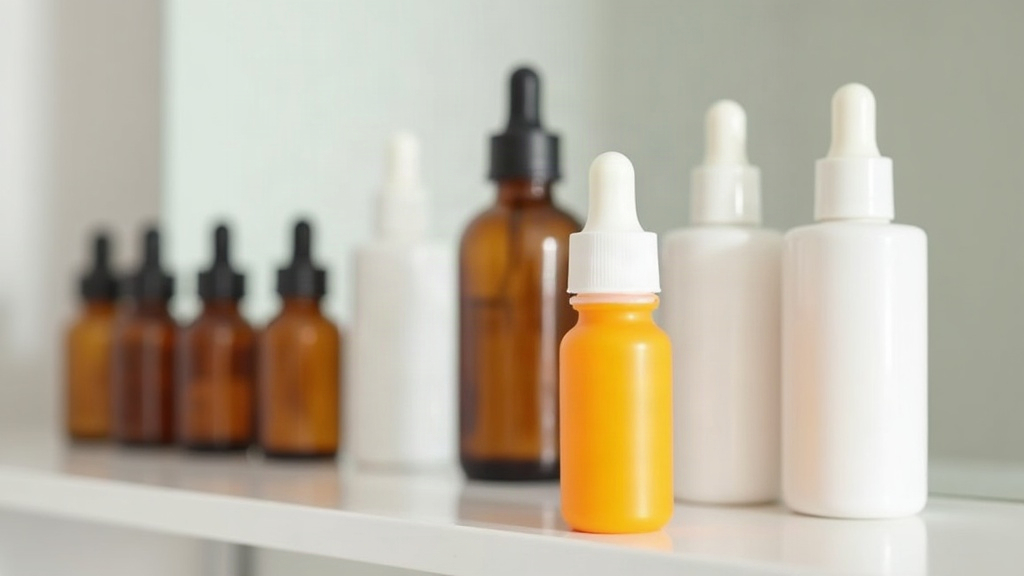
Amber dropper bottles and a plain pharmacy bottle side by side, showing the difference between over-the-counter and prescription strength products

Over-the-counter products contain lower concentrations of active ingredients and are designed to be safe for general use without supervision. Prescription-strength versions use higher concentrations, different formulations, or ingredients that are not sold OTC at all, and they require a doctor to prescribe and monitor them because the risks and effects are bigger. What does “prescription … Read more


What Happens at a First Dermatology Appointment for Acne?

Notepad and pen on a clean counter representing preparation for a first dermatology appointment for acne

A first dermatology appointment for acne usually involves a conversation about skin history and current products, a visual check of the skin (sometimes with a light or magnifier), and a discussion of options that might range from over-the-counter ingredients to prescription treatments. Nothing invasive is typical, and most first visits run 15 to 30 minutes. … Read more

Sections

A–Z ingredient index

ABCDEFGHIJKLMNOPQRSTUVWXYZ

8 of 26 letters have an entry so far. We would rather show the gaps than pad the index.

The site

Honesty

Written by careful researchers who read the studies. We are not dermatologists, and we say so on every page.

Medical disclaimer. Acne Cut publishes general information about skin and acne. It is not medical advice, it is not a diagnosis, and it is not a substitute for speaking to a doctor or pharmacist about your own skin. We do not recommend prescription treatments or give doses. If your acne is painful, scarring, getting worse, or affecting how you feel day to day, please talk to a doctor — going early is not an overreaction.

About  ·  Contact  ·  Privacy Policy
© 2026 Acne Cut