Written by careful researchers who read the studies. We are not dermatologists — and we say so on every page.

What Treatments Does a Doctor Consider for Persistent Acne?

Amber bottles and white tubes lined up on a clinic counter, representing treatments a doctor might consider for persistent acne

For acne that has not responded to over-the-counter products after a reasonable trial, a doctor typically starts with prescription-strength topicals, then may add oral antibiotics, hormonal options, or isotretinoin depending on severity, pattern, and how the skin has responded so far. Every step involves supervision and follow-up, not a one-time prescription. What counts as “persistent” … Read more
Over-the-Counter vs Prescription Strength: What’s Different?

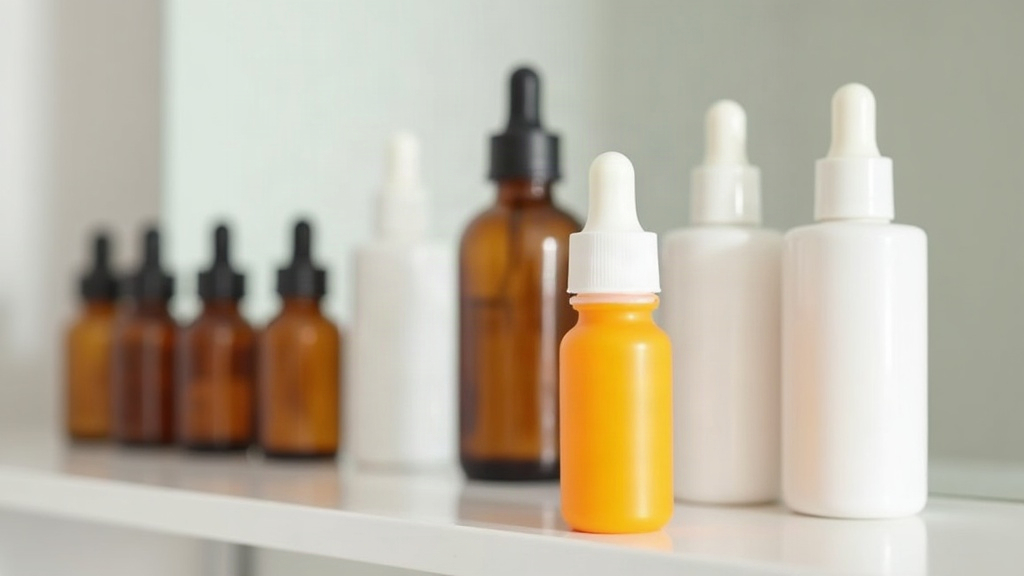
Amber dropper bottles and a plain pharmacy bottle side by side, showing the difference between over-the-counter and prescription strength products

Over-the-counter products contain lower concentrations of active ingredients and are designed to be safe for general use without supervision. Prescription-strength versions use higher concentrations, different formulations, or ingredients that are not sold OTC at all, and they require a doctor to prescribe and monitor them because the risks and effects are bigger. What does “prescription … Read more

What Happens at a First Dermatology Appointment for Acne?

Notepad and pen on a clean counter representing preparation for a first dermatology appointment for acne

A first dermatology appointment for acne usually involves a conversation about skin history and current products, a visual check of the skin (sometimes with a light or magnifier), and a discussion of options that might range from over-the-counter ingredients to prescription treatments. Nothing invasive is typical, and most first visits run 15 to 30 minutes. … Read more

Are Natural Ingredients Gentler on Acne-Prone Skin?

Unlabelled skincare bottles and a plant sprig arranged on a shelf, representing the question of whether natural ingredients are gentler on acne-prone skin

Not automatically. “Natural” describes where an ingredient comes from, not how it behaves on skin. Plenty of plant extracts are irritating, and plenty of lab-made ingredients are mild. Gentleness depends on the specific ingredient, its concentration, and how a person’s skin happens to react to it — not on its origin story. Does “natural” mean … Read more

Why Do Some Acne Ingredients Cancel Each Other Out?

Two amber dropper bottles on a tiled counter representing acne ingredients that can cancel each other out

Some acne ingredients cancel each other out because they change the skin’s surface chemistry in opposite directions, break each other down before they can work, or simply compete for the same job. The result isn’t always wasted product — sometimes it’s just more irritation for less benefit, which can feel worse than doing nothing at … Read more

What Are AHAs and BHAs and How Do They Differ?

Two amber glass bottles representing AHA and BHA exfoliants on a bathroom shelf

AHAs (alpha hydroxy acids, like glycolic and lactic acid) work mainly on the skin’s surface, dissolving the “glue” between dead skin cells. BHAs (mainly salicylic acid) are oil-soluble, so they can get down into pores and help clear the debris that contributes to blackheads and clogged pores. Both exfoliate; they just work in different places. … Read more

Sections

A–Z ingredient index

ABCDEFGHIJKLMNOPQRSTUVWXYZ

8 of 26 letters have an entry so far. We would rather show the gaps than pad the index.

The site

Honesty

Written by careful researchers who read the studies. We are not dermatologists, and we say so on every page.

Medical disclaimer. Acne Cut publishes general information about skin and acne. It is not medical advice, it is not a diagnosis, and it is not a substitute for speaking to a doctor or pharmacist about your own skin. We do not recommend prescription treatments or give doses. If your acne is painful, scarring, getting worse, or affecting how you feel day to day, please talk to a doctor — going early is not an overreaction.

About what you read here. Everything on Acne Cut is general information and our own editorial opinion. We research carefully and we say when the evidence is unclear, but we can be wrong, things change, and no article can know your particular situation. Please do your own research and make your own judgement rather than treating anything here as the final word. This is not medical advice, not a diagnosis, and not a substitute for speaking to a doctor or dermatologist about your own acne and skin. We are writers and researchers, not clinicians. We do not recommend prescription treatments or give doses. If something is painful, getting worse, or worrying you, please talk to a professional — going early is not an overreaction.

About  ·  Contact  ·  Privacy Policy
© 2026 Acne Cut